What Are Platinum Group Metals (PGMs) and Why Are They Valuable?
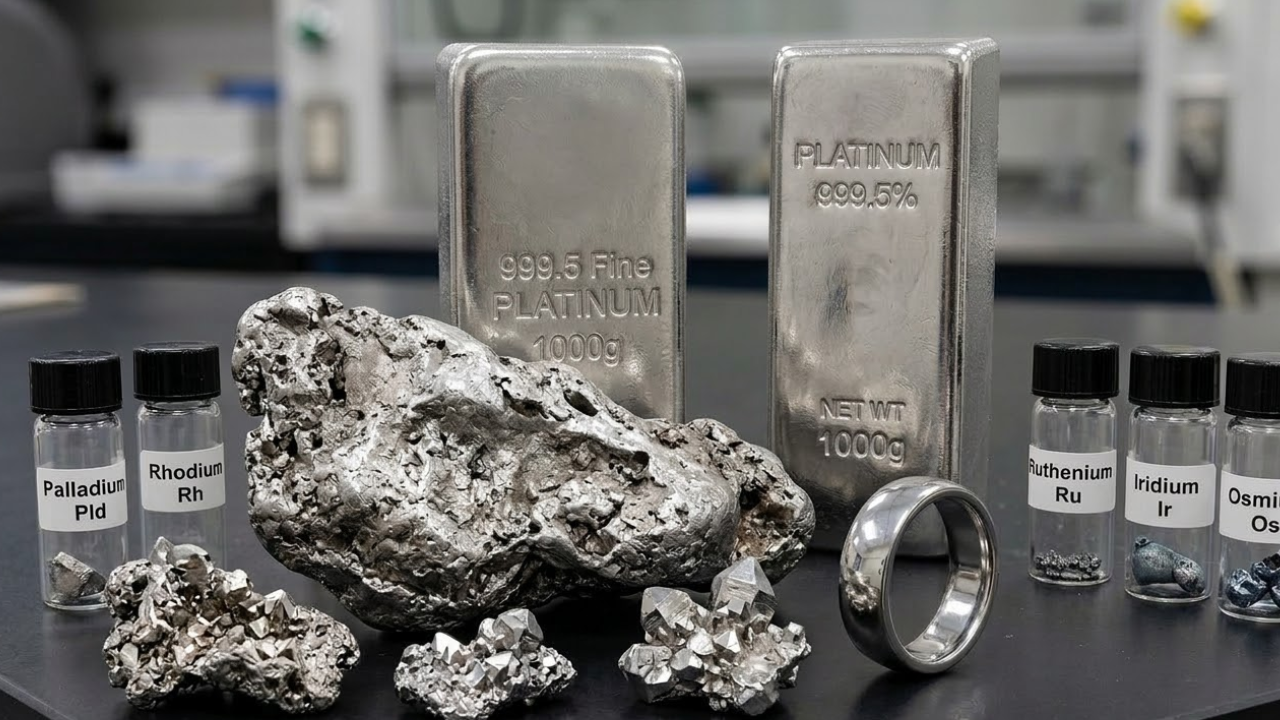
Platinum Group Metals (PGMs) are a set of six rare and highly valuable metals that include ruthenium, rhodium, palladium, osmium, iridium, and platinum. These metals are known for their exceptional physical and chemical properties, making them essential in a wide range of industrial, technological, and environmental applications.
One of the key reasons PGMs are so valuable is their rarity. They are found in limited quantities in the Earth’s crust, often as by-products of nickel and copper mining. Extracting and refining these metals is complex, requiring advanced metallurgical processes and precise laboratory analysis.
PGMs are highly resistant to corrosion and oxidation, even at high temperatures. This makes them ideal for use in harsh environments, particularly in the automotive and chemical industries. For example, palladium and rhodium are widely used in catalytic converters to reduce harmful emissions from vehicles, helping industries meet environmental regulations.
In addition to automotive applications, PGMs play a critical role in modern technology. Platinum and palladium are used in electronics, hydrogen fuel cells, and medical devices. Iridium is known for its durability and is used in aerospace components and high-performance equipment. Ruthenium is commonly used in electrical contacts and chip resistors.
Another factor contributing to their value is increasing global demand. As the world shifts toward cleaner energy and stricter environmental standards, the need for PGMs continues to grow. Hydrogen energy systems, in particular, rely heavily on platinum-based catalysts, positioning PGMs as key materials in the transition to sustainable energy.
From an investment perspective, PGMs are considered strategic metals. Their prices can be volatile due to supply constraints and geopolitical factors, but they often provide opportunities for diversification in commodity portfolios.
In conclusion, Platinum Group Metals are not only rare but also indispensable in modern industry and technology. Their unique properties, combined with growing demand and limited supply, ensure their continued importance and high value in global markets.