How Fire Assay Works for Precious Metals Analysis?
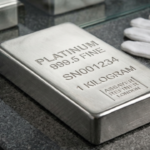
Fire assay is one of the oldest and most reliable methods used to determine the concentration of precious metals in a sample. Despite advances in modern analytical techniques, it remains the gold standard for accuracy, especially for gold, silver, and certain platinum group metals.
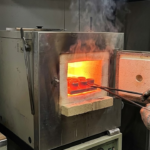
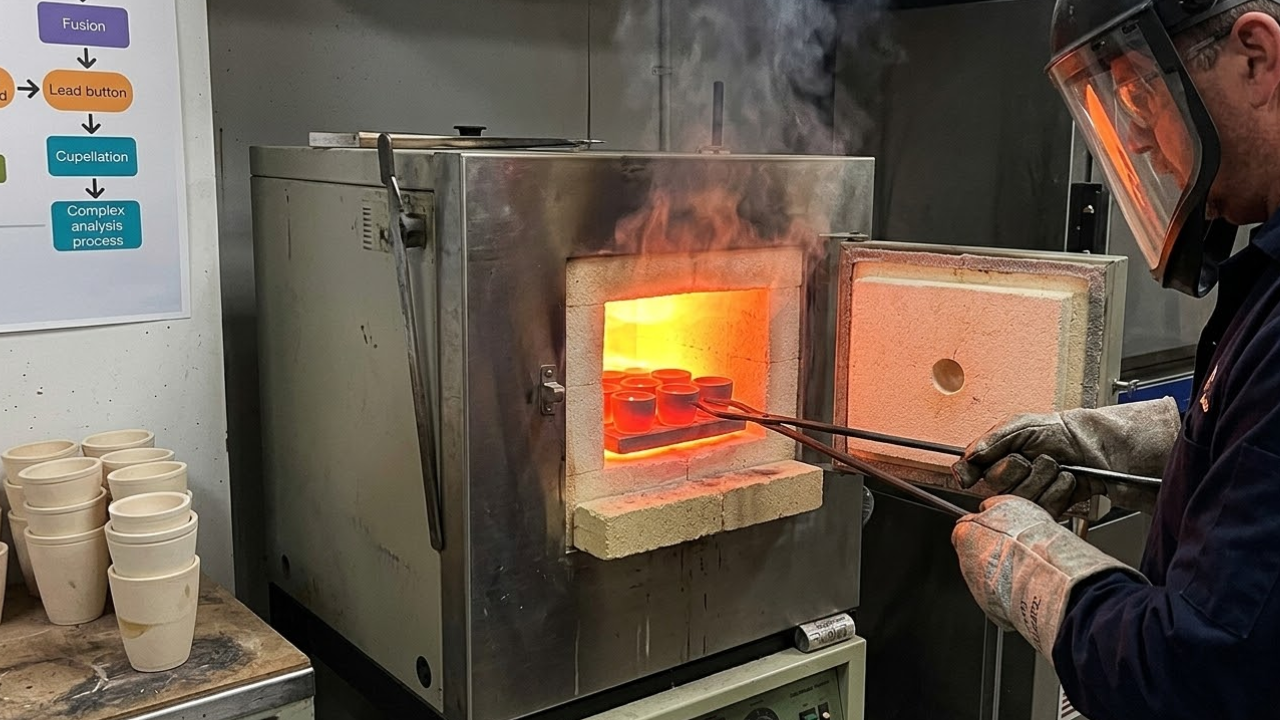
The process begins with sample preparation. A finely ground sample is mixed with fluxes, which are chemical agents designed to facilitate the separation of metals during heating. This mixture is then placed in a furnace and heated to extremely high temperatures, typically above 1,000°C.
During heating, the valuable metals separate from the waste material, or slag. The metals combine with a collector, often lead, forming a molten alloy. This alloy is then poured into a mold and allowed to cool, creating a solid bead that contains the target metals.
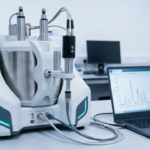
The next step is cupellation, where the bead is reheated in a porous cupel. The lead oxidizes and is absorbed into the cupel, leaving behind a small bead of precious metal. This bead can then be weighed or further analyzed using techniques such as ICP or gravimetric methods.
Fire assay is highly valued for its accuracy and reliability. It is particularly effective for detecting low concentrations of metals and is less affected by matrix interference compared to some instrumental methods.
However, the process is time-consuming and requires skilled technicians and specialized equipment. Despite this, it remains widely used in mining, refining, and laboratory analysis due to its proven track record.
In summary, fire assay continues to be a cornerstone in precious metals analysis. Its ability to deliver precise and dependable results makes it an essential method for laboratories working with gold and platinum group metals.