How Platinum Group Metals Are Extracted from Ore?
The extraction of Platinum Group Metals (PGMs) from ore is a complex and multi-stage process that requires advanced technology and precise control. These metals are rarely found in pure form and are typically embedded within sulfide ores alongside other base metals such as nickel and copper.
The process begins with mining, where ore is extracted from underground or open-pit operations. The ore is then crushed and ground into fine particles to liberate the valuable minerals. This is followed by flotation, a process that separates the PGM-bearing minerals from the rest of the material using chemical reagents and air bubbles.
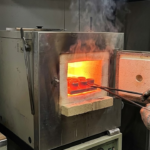
Once concentrated, the material undergoes smelting, where it is heated at high temperatures to separate the metal content from impurities. The result is a matte that contains PGMs along with other metals.
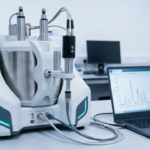
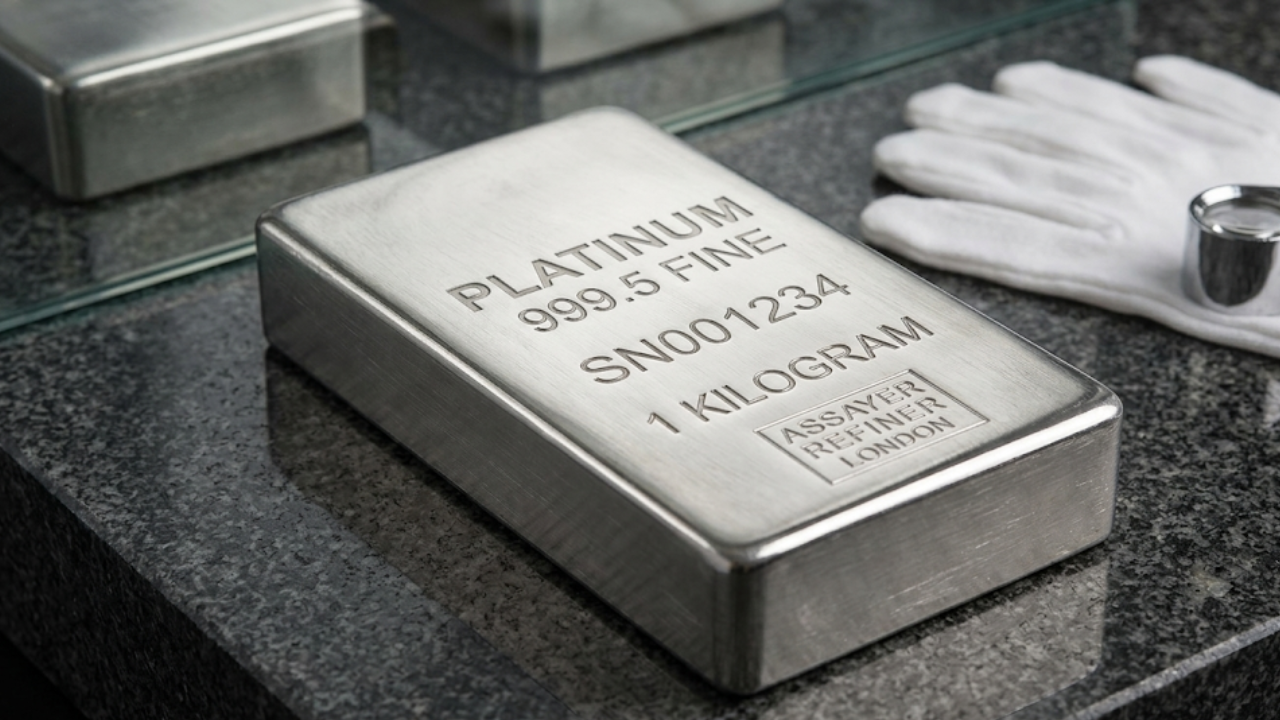
The next stage is refining, which involves several chemical processes to isolate individual metals. Techniques such as leaching, solvent extraction, and precipitation are used to separate platinum, palladium, rhodium, and other PGMs from one another.
Because PGMs often occur together, their separation is particularly challenging and requires highly specialized expertise. Each metal has unique chemical properties, which must be carefully managed during the refining process.
Environmental considerations also play a significant role. Modern extraction methods aim to minimize waste and reduce environmental impact through improved efficiency and recycling of by-products.
In conclusion, extracting PGMs from ore is a technically demanding process that involves multiple stages of separation and refinement. The complexity of this process contributes to the high value of these metals and highlights the importance of advanced metallurgical research and laboratory testing.