ICP vs XRF vs Wet Chemistry: Which Method Is Best for Metal Analysis?
When it comes to analyzing metals—especially high-value materials like Platinum Group Metals (PGMs)—choosing the right analytical method is critical. Among the most commonly used techniques are ICP (Inductively Coupled Plasma), XRF (X-ray Fluorescence), and traditional wet chemistry. Each method has its own strengths, limitations, and ideal use cases.
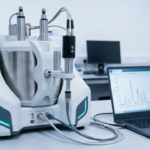
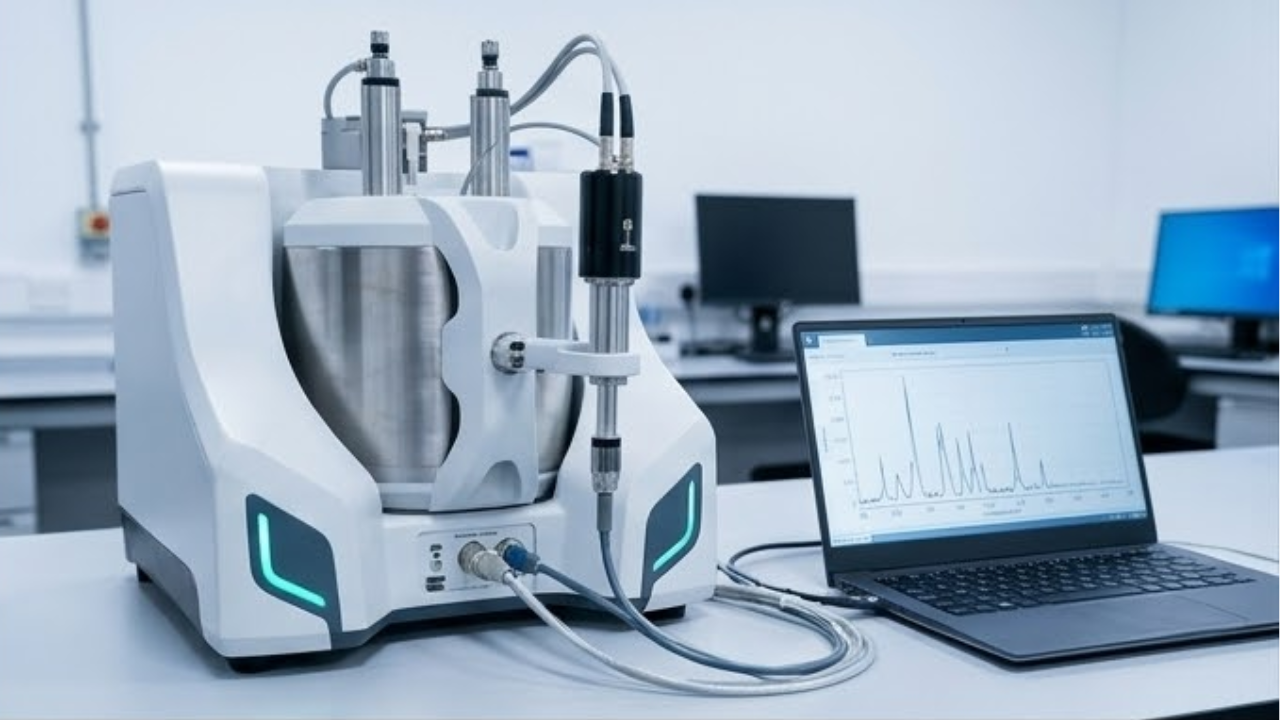
ICP (Inductively Coupled Plasma) is widely regarded as one of the most accurate and sensitive techniques. It involves dissolving the sample into a liquid and introducing it into a plasma torch, where elements are ionized and measured. ICP is capable of detecting metals at very low concentrations (ppm or even ppb levels), making it ideal for trace analysis and precise quantification of PGMs. However, it requires extensive sample preparation and skilled operation.
XRF (X-ray Fluorescence), on the other hand, is a fast and non-destructive method. It works by bombarding a sample with X-rays and measuring the emitted fluorescence to determine its elemental composition. XRF is excellent for quick screening and field analysis, as it requires little to no sample preparation. However, its detection limits are higher than ICP, meaning it may not be suitable for very low concentration measurements.
Wet chemistry methods, including gravimetric and titration techniques, are among the oldest forms of chemical analysis. These methods are highly reliable and often used as reference standards. Wet chemistry is particularly useful when extreme accuracy is required, but it can be time-consuming and labor-intensive compared to modern instrumental techniques.
So, which method is best? The answer depends on the application. For high-precision laboratory analysis, especially for trace elements, ICP is often the preferred choice. For rapid, on-site assessments, XRF offers unmatched convenience. Wet chemistry remains valuable for validation and specific analytical requirements.
In many advanced laboratories, these methods are not used in isolation but rather in combination. By integrating ICP, XRF, and wet chemistry, labs can ensure both speed and accuracy, delivering comprehensive and reliable results.